
What will the cities of tomorrow look like, and how can knowledge, innovation and technology help make them greener, more inclusive and resilient?
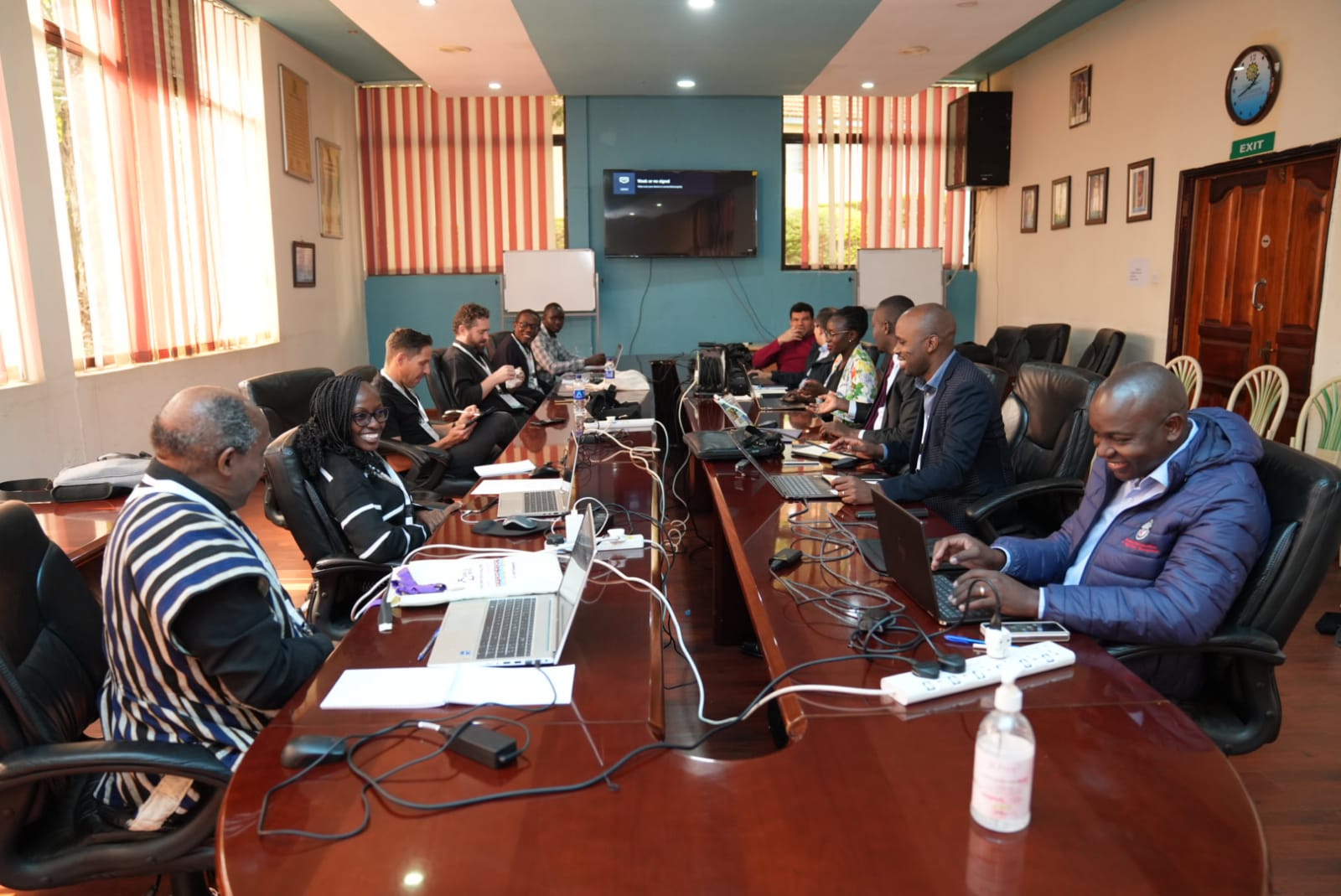
What will the cities of tomorrow look like, and how can knowledge, innovation and technology help make them greener, more inclusive and resilient? These questions took centre stage in Nairobi as researchers and built environment experts from Africa and Denmark came together for the Second Joint Proposal Development Workshop under the Knowledge and Innovation Programme (KIP) Seed Funding Project, held from 22nd to 24th September 2026 at UNES Headquaters, Kolobot Drive, University of Nairobi, Nairobi Kenya.
Held under the theme “Knowledge and Innovation Programme: Empowering Green Innovation and Carbon Intelligence in African and Danish Cities,” the workshop brought together partners from Aarhus University in Denmark, the University of Pretoria in South Africa, the Technical University of Mombasa, and the University of Nairobi to explore how research, technology and innovation can contribute to more sustainable and climate-responsive cities.
The workshop formed part of the NextGen Build: Empowering Green Innovation and Carbon Intelligence in African and Danish Cities project, a seed-funded initiative under Denmark’s Knowledge and Innovation Programme, supported by Danida. The project seeks to establish an equitable and collaborative research platform addressing the urgent need to decarbonise the construction industry while promoting social inclusion, particularly through affordable housing.
Hosted through the Department of Real Estate, Construction Management and Quantity Surveying (RECMQS) within the Faculty of the Built Environment and Design at the University of Nairobi, the three-day engagement provided a platform for researchers to exchange ideas, refine research concepts and advance joint proposals focusing on green innovation, carbon intelligence, sustainable construction and low-carbon urban development.
The workshop commenced on Tuesday, 22nd September, with the participating researchers and experts engaging in discussions around the collaborative research agenda and the development of the NextGen Build project. The official opening followed on Wednesday, 23rd September, with the Dean of the Faculty of the Built Environment and Design, Prof. Owiti Abiero K’Akumu, officially opening the workshop in absentia. He was represented by the Chair of the Department of Real Estate, Construction Management and Quantity Surveying, Arch. Peter Njeru.
In his remarks, Arch. Njeru conveyed the Dean’s welcome to the participating partners and expressed appreciation for the continued collaboration between the African and Danish institutions. The Dean also acknowledged the support of Danida and appreciated the progress made since the First KIP Seed Funding Workshop, hosted by Aarhus University in Denmark in May 2026.
Discussions during the workshop examined the role of green innovation, carbon intelligence and digital technologies in supporting low-carbon and climate-responsive development. Participants shared perspectives, refined research ideas and explored opportunities for collaborative research that can respond to the changing needs of rapidly growing cities.
The programme also extended beyond the conference room, with the participating team visiting the Mukuru Affordable Housing development and Nairobi Water. The visits provided first-hand insights into affordable housing, urban infrastructure, sustainable construction and water service provision, allowing participants to connect research concepts with practical urban challenges.
The engagements also prompted reflection on how innovative approaches can help cities respond to growing populations, climate pressures and increasing demand for infrastructure and essential services.
On Thursday, 24th September, the KIP Research Team concluded the three-day engagement with an official visit to the Department of Real Estate, Construction Management and Quantity Surveying within the Faculty of the Built Environment and Design at the University of Nairobi. Having participated in the workshop since Tuesday, the team used the visit to reflect on the discussions and outcomes of the engagement and to further advance the joint research agenda.
A key milestone of the visit was the signing to advance implementation of the NextGen Build project, marking a transition from proposal development towards implementation. The signing reaffirmed the partners’ commitment to collaborative research, innovation and knowledge exchange in support of greener, more inclusive and resilient cities.
Through the Danida-supported KIP Seed Funding, the participating institutions will continue developing collaborative approaches to green innovation and carbon intelligence, with a particular focus on decarbonising the construction industry and promoting affordable and socially inclusive housing.
Building on the foundation established during the first KIP workshop in Denmark, the Nairobi engagement marked another step in strengthening institutional partnerships and advancing research on sustainable construction, climate-responsive development and the future of greener cities in Africa and Denmark.
- Log in to post comments


