
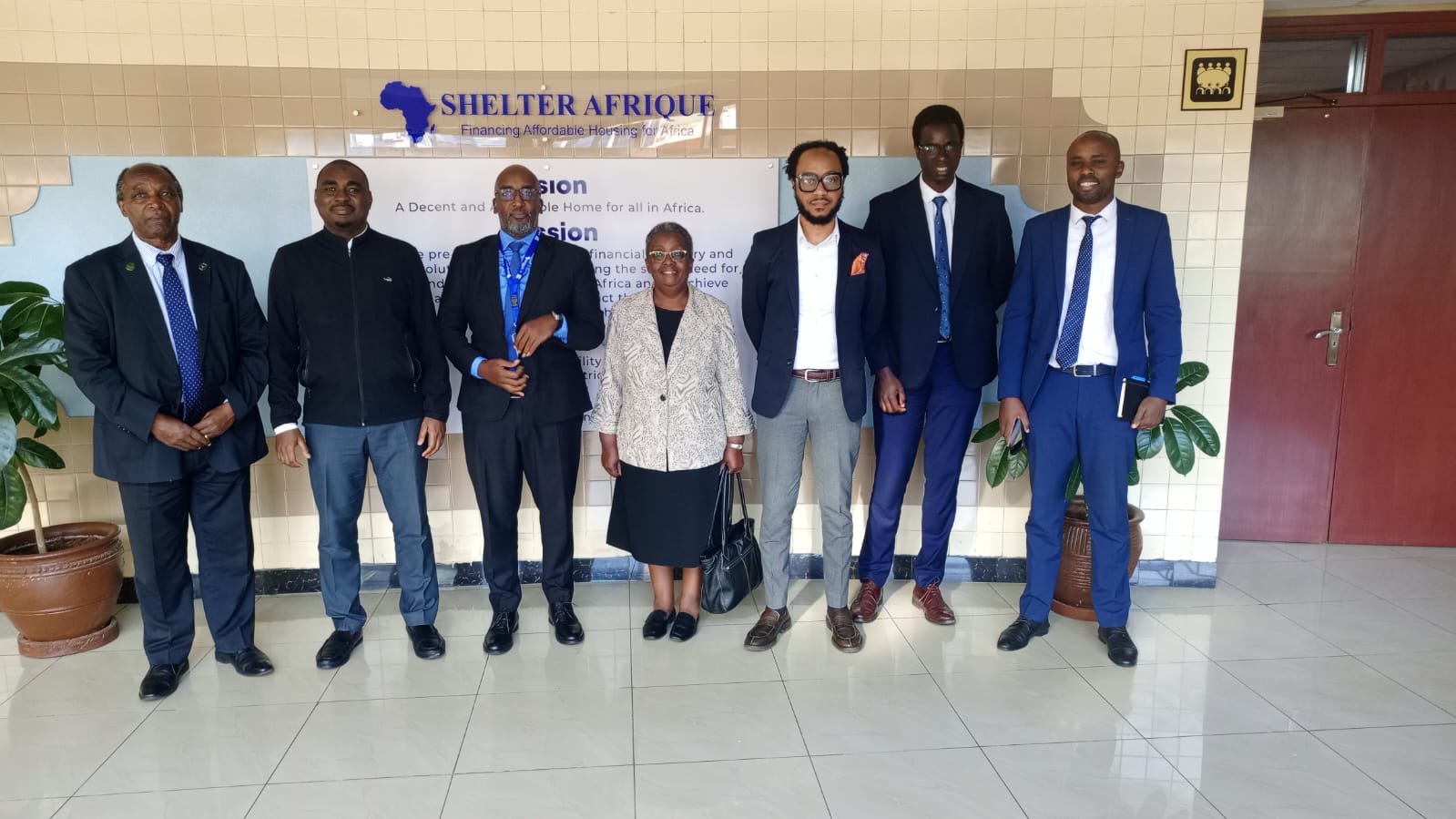
In a significant step towards addressing Africa’s housing deficit, the University of Nairobi has entered into a groundbreaking strategic partnership with the Shelter Afrique Development Bank (ShafDB). The collaboration, formalized in a high-level meeting on Tuesday, December 2nd, 2025, aims to leverage academic research and innovation to create scalable, affordable housing solutions.
The partnership bridges the gap between academia and the practical demands of the continent’s construction and finance sectors. During the meeting at Shelter Afrique’s headquarters, leaders from both institutions outlined a bold vision to combine the university’s research prowess with the bank’s development mandate.
“This partnership is a natural and essential alignment,” said Mr. Charles Kazuka, Shelter Afrique’s Director of Human Capital, who chaired the session. He emphasized the bank’s urgent need for cutting-edge research, capacity building, and a pipeline of skilled graduates to drive innovation in housing, urban development, and sustainable construction technologies.
In response, a team from the University’s Department of Real Estate, Construction Management, and Quantity Surveying (RECMQS) presented a comprehensive blueprint for collaboration. The proposal, detailed by Ms. Catherine Warue Kariuki and Mr. Nicky M. Nzioki, spans four critical areas: joint Research & Development, Capacity Building, Technical Advisory Services, and Talent Pipeline Development.
Key initiatives include plans for a dedicated ShafDB–RECMQS Affordable Housing Innovation & Knowledge Hub, annual housing market reports, and pilot projects for climate-resilient building technologies. The partnership will also facilitate student internships, staff exchanges, and executive training programs designed to translate academic insight into real-world impact.
Dr. Muhammad Gambo, Manager of Shelter Afrique’s Research and Strategy Unit, stressed the transformative potential of the alliance. “This moves us beyond theory. It’s about preparing graduates for the market’s demands and directly contributing to Africa’s knowledge base on housing,” he stated, linking the effort to the broader goals of the African Union Addis Ababa Declaration.
Both parties agreed to fast-track the partnership, with a target to finalize and sign a formal Memorandum of Understanding by February 2026. Immediate next steps involve pinpointing priority projects and drafting the foundational agreement.
Concluding the meeting, Mr. Kazuka noted the collaboration was “long overdue” and reaffirmed a shared commitment to action. The alliance signals a major coordinated effort to not only advance research but to tangibly improve the availability of affordable, sustainable housing for Kenyans and communities across the continent.
- Log in to post comments


